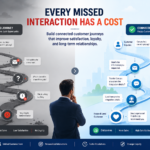
Today's customers expect every interaction with a business to be quick, simple, and convenient. Whether they're looking for account information, downloading documents, tracking a request, or raising a support query, they want to complete these tasks with minimal effort and without waiting for assistance. When customers have to navigate multiple communication channels, repeat the same information, or wait for responses, their overall experience suffers.
This is where Customer Effort Score (CES) becomes an important measure of customer experience. It evaluates how easy it is for customers to accomplish a task or resolve an issue when interacting with a business. The lower the effort required, the more likely customers are to remain satisfied and continue doing business with the company.
A self service customer portal helps reduce customer effort by giving users secure, on-demand access to information, services, and support from a single platform. By simplifying everyday interactions, businesses can improve customer satisfaction, reduce support workloads, and build stronger, long-lasting customer relationships.
Why Reducing Customer Effort Matters More Than Ever
Customers no longer compare your business only with direct competitors—they compare every digital experience with the best one they've had. Whether it's tracking an order, downloading an invoice, or submitting a service request, they expect the process to be fast, intuitive, and hassle-free. If completing a simple task requires multiple emails, long wait times, or repeated follow-ups, customers are more likely to become frustrated and look for alternatives.
This is why Customer Effort Score (CES) has become an important customer experience metric. Instead of measuring satisfaction alone, CES evaluates how easy it is for customers to achieve their goals when interacting with a business. A lower customer effort often translates into higher satisfaction, stronger loyalty, and a greater likelihood of repeat business.
Several common challenges increase customer effort, including:
- Waiting for responses to simple enquiries.
- Repeating the same information to different teams.
- Searching through emails for important documents.
- Using multiple communication channels to resolve a single issue.
- Lacking visibility into the status of requests or service updates.
Reducing these friction points creates a smoother customer journey. By making information readily available and simplifying routine interactions, businesses can deliver a more convenient experience that encourages customer trust, improves engagement, and strengthens long-term relationships.
How a Self-Service Customer Portal Makes Every Interaction Easier
A self service customer portal gives customers the freedom to access the information and services they need without depending on emails, phone calls, or support teams for every request. By providing a single, secure platform for customer interactions, businesses can reduce customer effort while delivering a faster and more convenient experience.
Instead of contacting support to request documents or check the status of a service, customers can log in to the portal at any time to complete common tasks on their own. This not only saves time for customers but also reduces the workload on internal teams.
Some of the ways a customer portal software solution simplifies customer interactions include:
- Access important documents anytime, including invoices, contracts, reports, and account statements.
- Track service requests and support tickets with real-time status updates.
- Submit enquiries or service requests without relying on multiple communication channels.
- Update personal or business information securely through the portal.
- Receive notifications about approvals, shared documents, or request updates.
- Access services on the go through a customer portal app, making it easier to stay connected from any device.
Businesses can further enhance these capabilities with Applications Platform, which enables organizations to build secure and customizable customer portals tailored to their unique business processes. From document sharing and request management to workflow integration and customer collaboration, the platform helps deliver a seamless self-service experience that reduces customer effort across every interaction.
Small Improvements That Have a Big Impact on Customer Experience
Creating a great customer experience doesn't always require major changes. Often, it's the small improvements that make interactions faster, simpler, and more convenient. By reducing unnecessary steps and giving customers greater control over routine tasks, businesses can significantly lower customer effort while improving satisfaction.
A self service customer portal contributes to a better customer experience by:
- Reducing wait times: Customers can access information and complete common tasks without waiting for a response from a support team.
- Providing greater transparency: Real-time updates on requests, approvals, and shared documents keep customers informed throughout the process.
- Minimizing repetitive communication: Since customer information and previous interactions are stored in one place, customers don't have to explain the same issue multiple times.
- Encouraging self-service: Customers can independently manage account information, download documents, and submit requests whenever it's convenient for them.
- Building trust and confidence: Easy access to accurate information and consistent communication creates a more reliable customer experience.
When businesses reduce customer effort across these everyday interactions, they not only improve Customer Effort Score (CES) but also strengthen customer loyalty, increase engagement, and create lasting relationships that support long-term business success.
Best Practices for Building an Effective Self-Service Customer Portal
A successful self service customer portal should do more than provide online access—it should make every customer interaction simple, secure, and efficient. By following a few best practices, businesses can create a portal that reduces customer effort while improving the overall customer experience.
- Design with Simplicity in Mind: Keep the interface clean and intuitive so customers can quickly find the information or service they need without unnecessary navigation.
- Provide Secure Access to Information: Protect customer data with secure login methods and role-based permissions while ensuring important documents and account information remain easily accessible.
- Offer Mobile Accessibility: Ensure customers can use the portal from smartphones, tablets, and desktops, allowing them to stay connected wherever they are.
- Integrate with Business Systems: Connect the portal with CRM, ERP, helpdesk, and workflow applications so customers receive accurate, real-time information across every interaction.
- Keep Content Updated: Regularly review and update documents, FAQs, service information, and notifications to ensure customers always have access to current and relevant information.
- Gather Customer Feedback: Encourage users to share feedback on their portal experience and use these insights to continuously improve usability and customer satisfaction.
Businesses looking to create a portal tailored to their operations can leverage Applications Platform to develop secure, customizable self-service portals that integrate seamlessly with existing business processes, helping deliver a connected and low-effort customer experience.
Best Practices for Building an Effective Self-Service Customer Portal
A successful self service customer portal should do more than provide online access—it should make every customer interaction simple, secure, and efficient. By following a few best practices, businesses can create a portal that reduces customer effort while improving the overall customer experience.
- Design with Simplicity in Mind: Keep the interface clean and intuitive so customers can quickly find the information or service they need without unnecessary navigation.
- Provide Secure Access to Information: Protect customer data with secure login methods and role-based permissions while ensuring important documents and account information remain easily accessible.
- Offer Mobile Accessibility: Ensure customers can use the portal from smartphones, tablets, and desktops, allowing them to stay connected wherever they are.
- Integrate with Business Systems: Connect the portal with CRM, ERP, helpdesk, and workflow applications so customers receive accurate, real-time information across every interaction.
- Keep Content Updated: Regularly review and update documents, FAQs, service information, and notifications to ensure customers always have access to current and relevant information.
- Gather Customer Feedback: Encourage users to share feedback on their portal experience and use these insights to continuously improve usability and customer satisfaction.
Businesses looking to create a portal tailored to their operations can leverage Applications Platform to develop secure, customizable self-service portals that integrate seamlessly with existing business processes, helping deliver a connected and low-effort customer experience.
FAQs
1. What is a self-service customer portal?
A self-service customer portal is a secure online platform that allows customers to access account information, download documents, submit requests, track support tickets, and manage services without contacting a support representative. It provides 24/7 access to information, making customer interactions faster and more convenient.
2. What are the benefits of a self-service customer portal?
A self-service customer portal helps businesses improve customer satisfaction by providing instant access to information, reducing response times, and minimizing support requests. It also improves operational efficiency by allowing customers to complete routine tasks independently, enabling support teams to focus on more complex issues.
3. Can a self-service customer portal reduce customer support tickets?
Yes. By allowing customers to find answers, access documents, track requests, and manage their accounts independently, a self-service customer portal reduces the number of routine enquiries handled by support teams. This leads to faster issue resolution and a better overall customer experience.
4. What features should a self-service customer portal include?
An effective self-service customer portal should include secure login, document management, request tracking, knowledge base access, notifications, mobile accessibility, role-based permissions, and integration with existing business applications such as CRM, ERP, or helpdesk systems.
5. How do I choose the right self-service customer portal for my business?
When selecting a self-service customer portal, consider factors such as ease of use, security, customization options, integration capabilities, scalability, mobile accessibility, and reporting features. The ideal solution should align with your business processes while providing customers with a simple and seamless self-service experience.